MEPCOM INTEGRATED SYSTEM
Highlights
MEPCOM (United States Military Entrance Processing Command) is the sector of the Department of Defense that oversees recruiting and training of America’s armed forces. They process around 1 million applicants a year and has an annual budget of over $350 Million.
MIRS, (MEPCOM Integrated Resource System), is a HRM system used to track military applicants during their enlistment process. The application is being used in over 65 locations within the US.
The legacy MIRS application and its supporting cast of applications were created over 25 years ago. All of the applications were outdated in terms of user experience and performance.
Team Makeup
1 UX Project Lead: oversees UX at program level (My role)
1 Principal Designer: oversees day to day design efforts
2 Product Designers: leads individual product ux
3 Product Owners & a number of BAs & System Architects
40 engineers, 3 Development Teams
Products
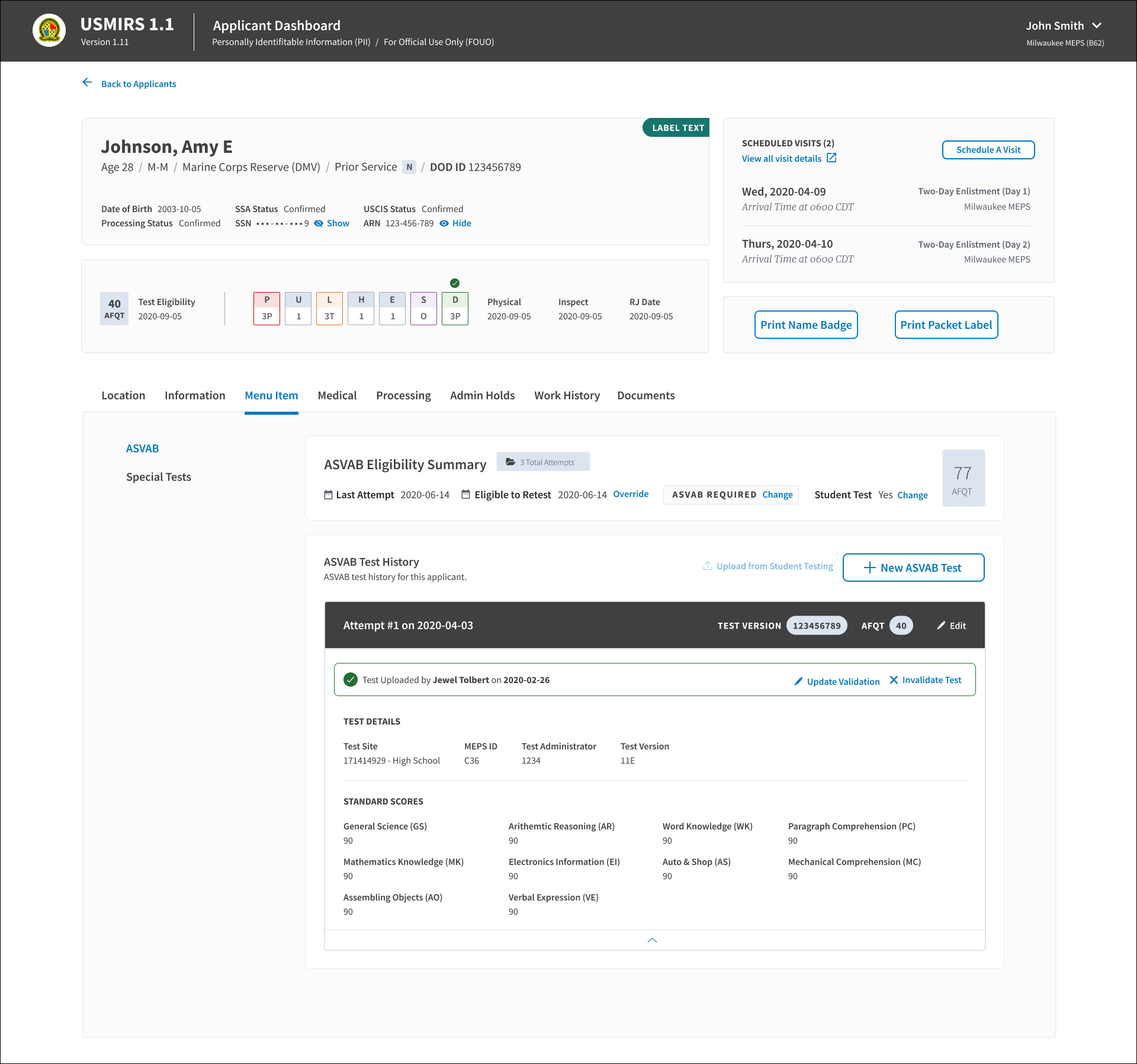
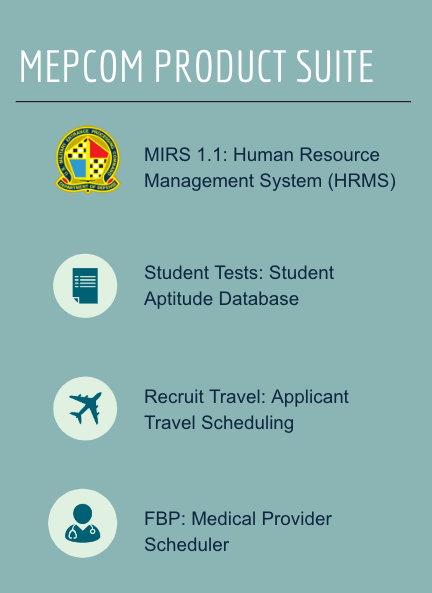
MIRS 1.1: Human Resource Management System (HRMS)
Student Tests: Student Aptitude Database
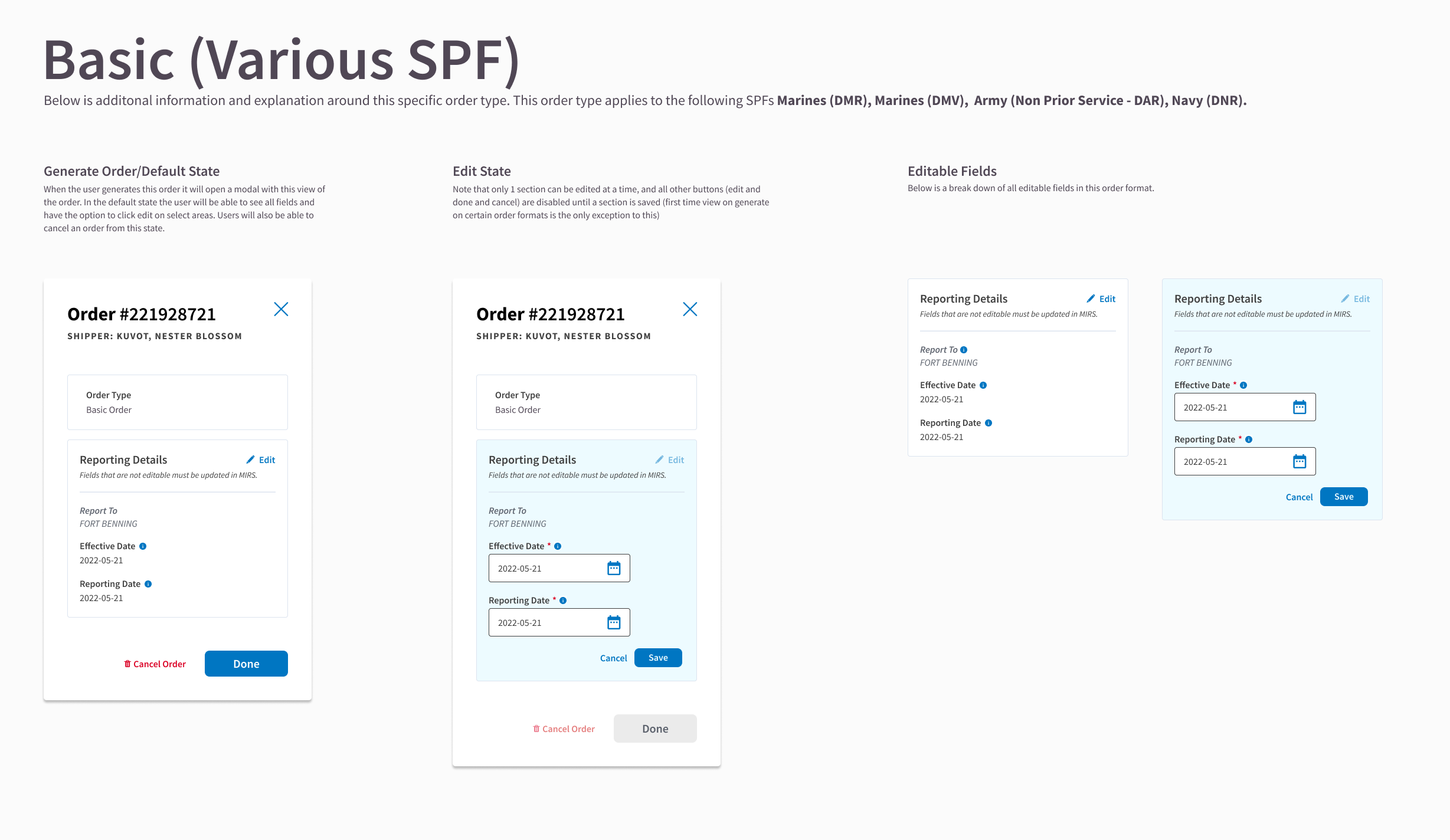
Recruit Travel: Applicant Travel Scheduling
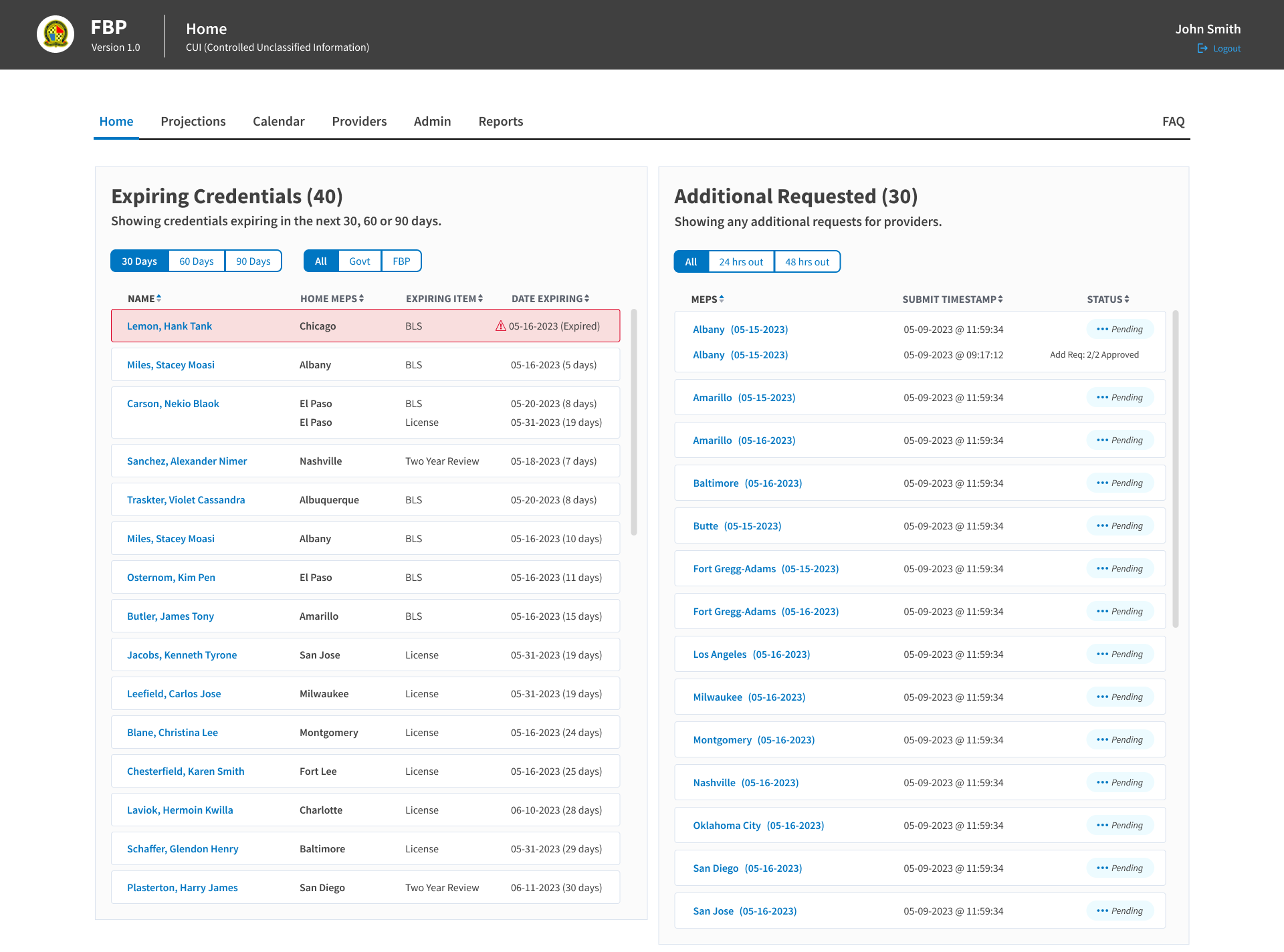
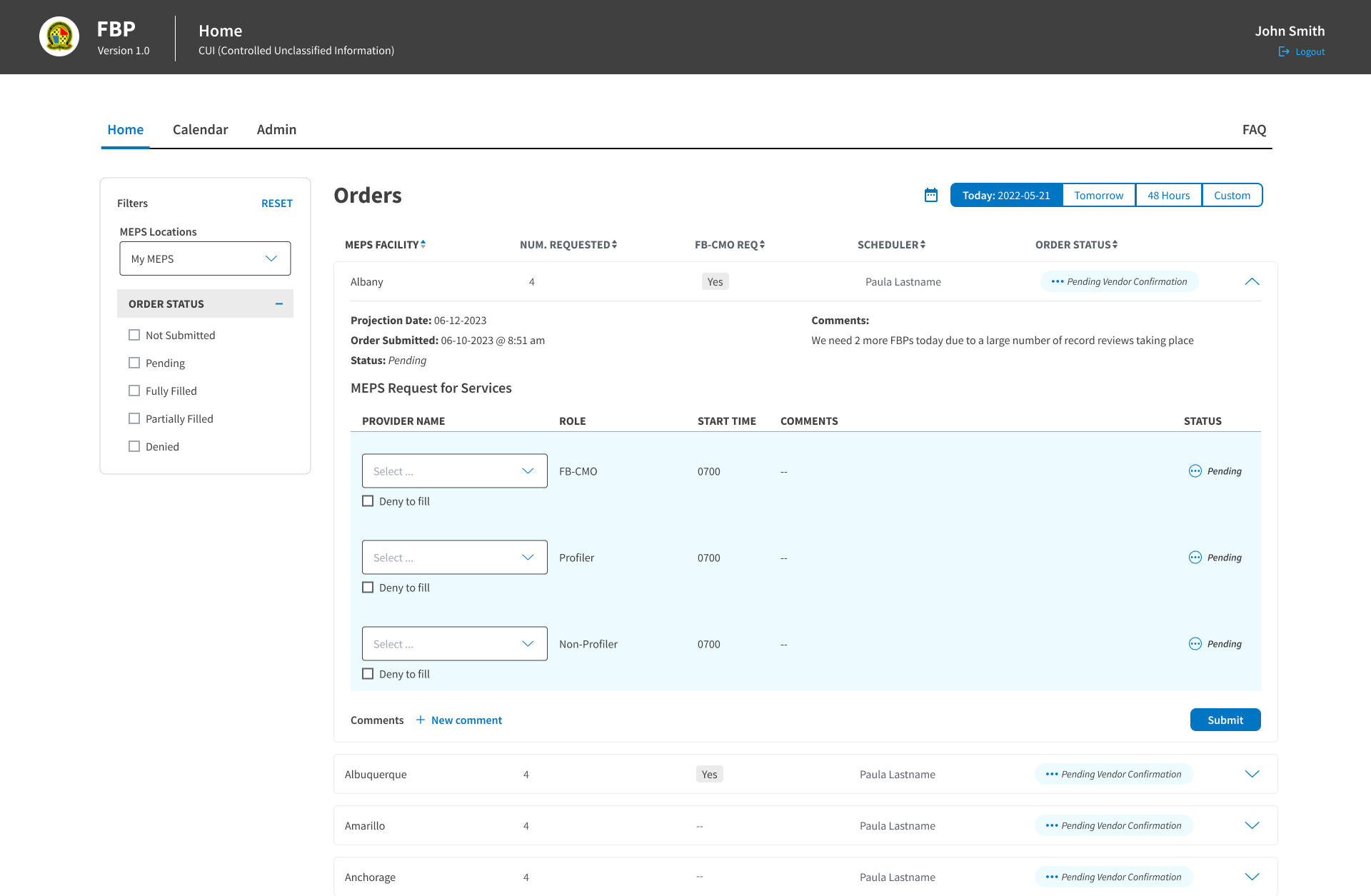
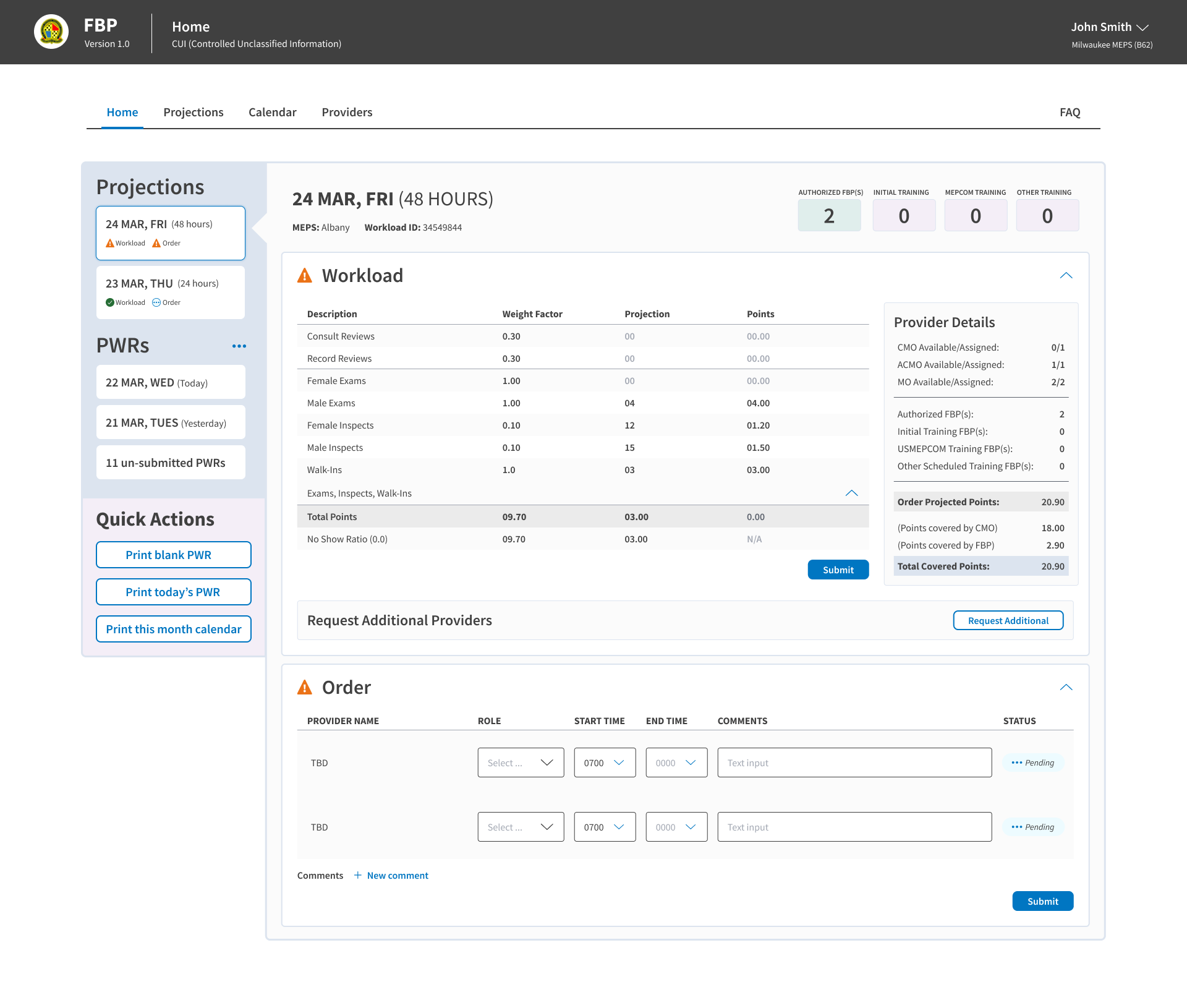
FBP: Medical Provider Scheduler
Details
Program timeline: 2021-current
Highly regulated environment
Modernizing Legacy Applications
Managing complex stakeholder dynamics
Before
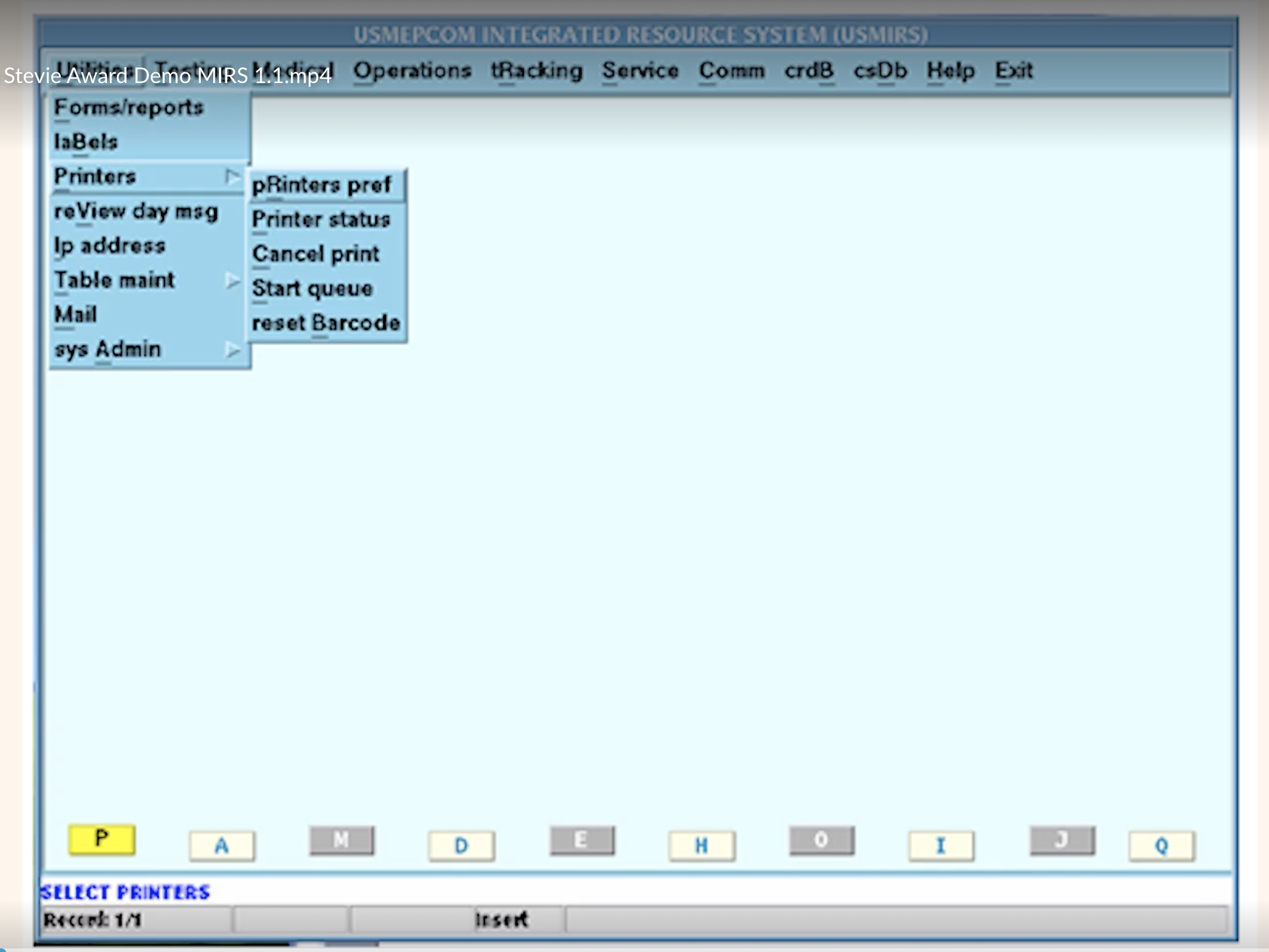
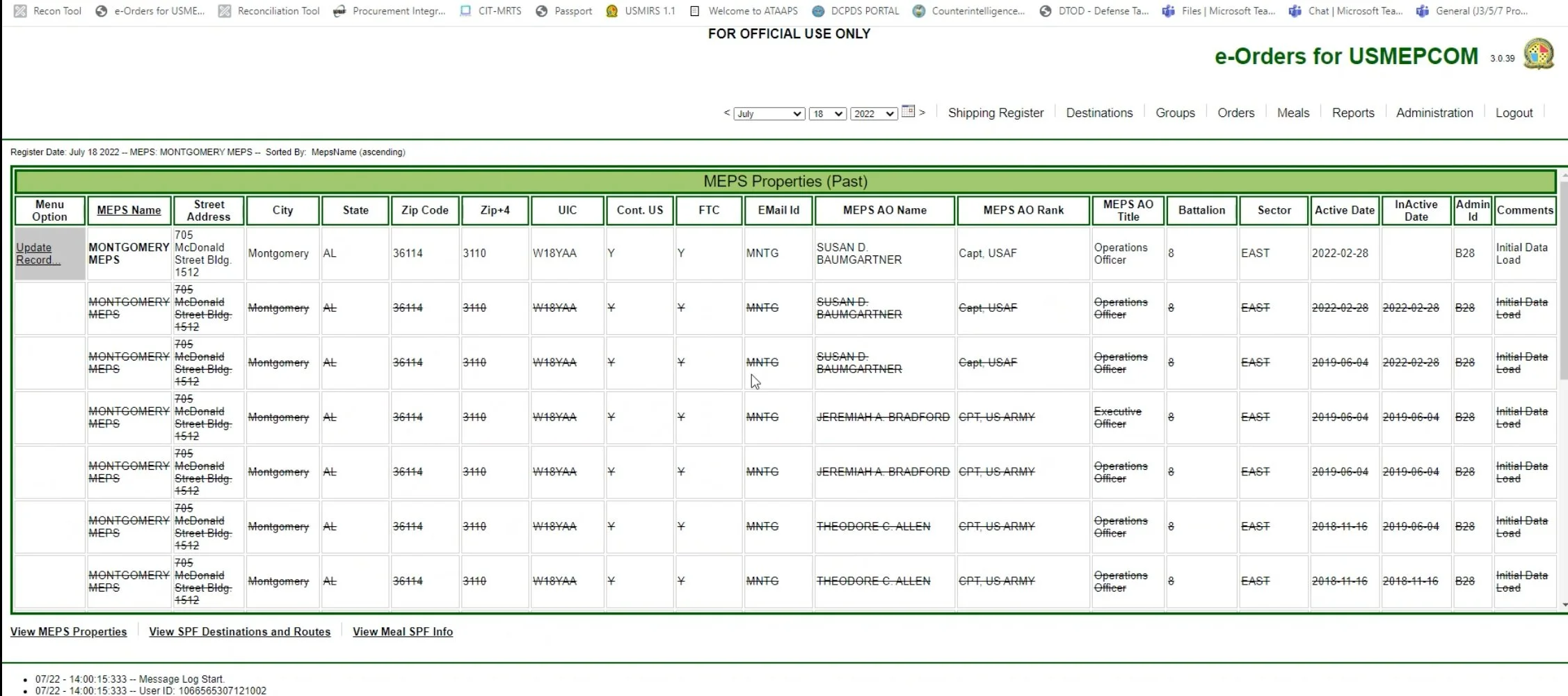
The legacy systems were costing MEPCOM money because they were inefficient in the applicant enlistment process. Slow processing speeds, outdated user interface designs, were impacting the number of applicants they are able to process everyday. Users were forced to come up with their own shortcuts so they can complete their everyday job.
The Scope
Phase 1 of the MIRS redesign was completed in 2021. I recognized the supporting applications: Student Test, Recruit Travel, and Fee Basis Provider, were equally as outdated and need to be re-envisioned with the same standards as MIRS. This would ensure the likelihood of the client extending our contract and will also provide much needed update and cost-savings. The original proposal was to only perform a face-lift for these supporting applications. I worked extensively with the Product Owners to illustrate the value of rebuilding these systems from the ground up with a proper user-centered design process. All 3 supporting applications have been redesigned.
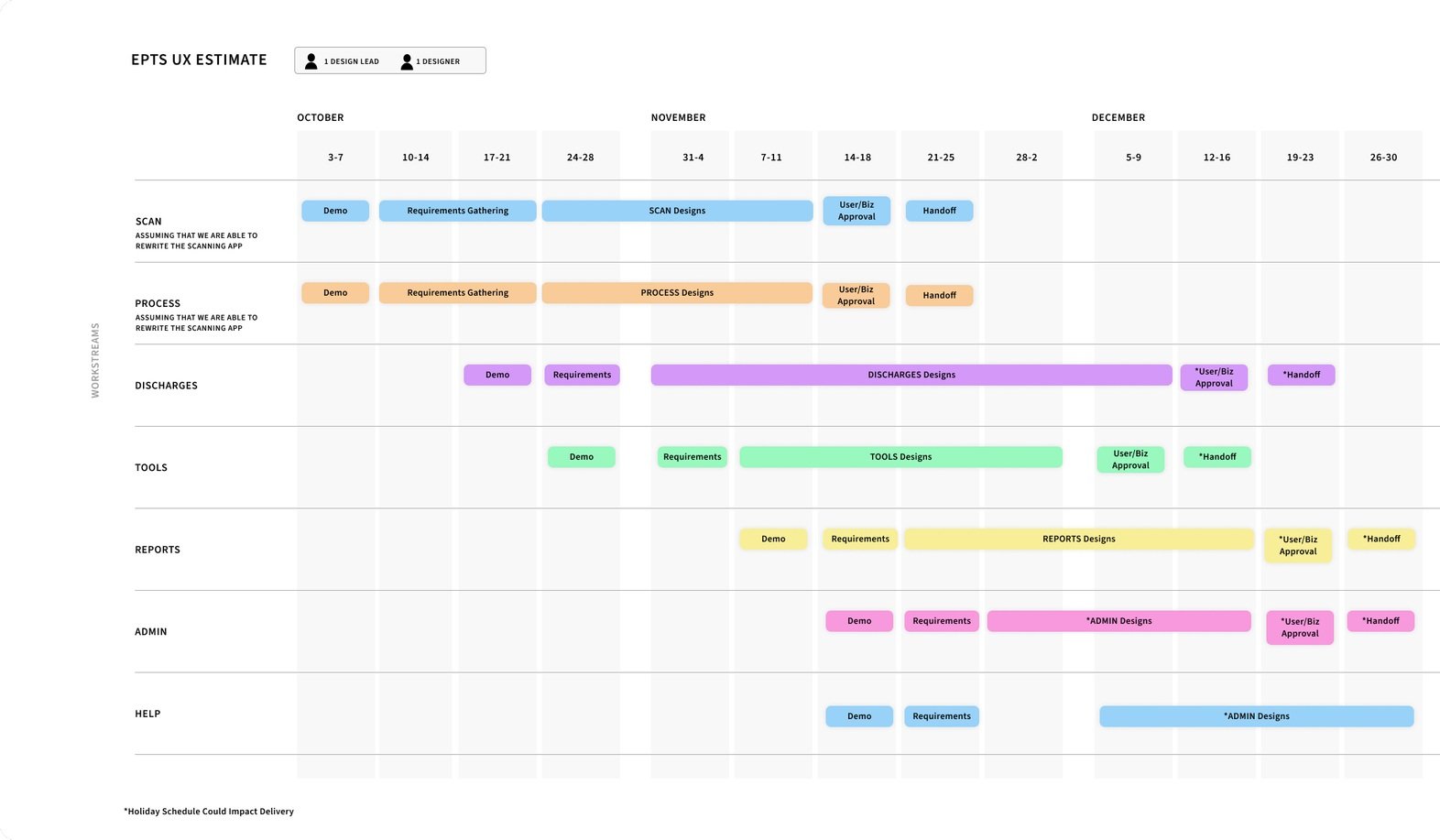
Project Plan & Resource Allocation
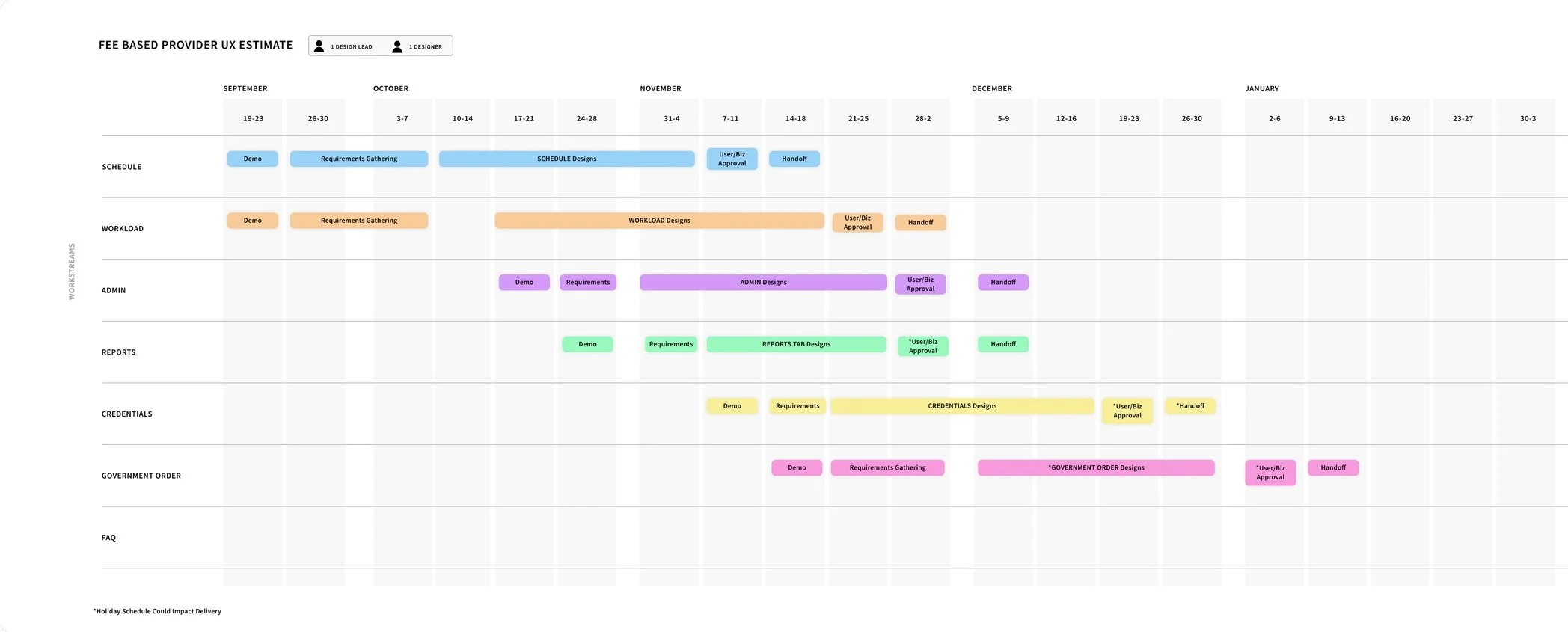
With multiple work streams and a number of designers, it was important to create project plans for each to help with resource allocation. Creating these project plans allowed the me to see if we are adequately staffed, and begin considerations for designer/project placement. This also allowed me to inform the client, established realistic expectations, and prioritized project intake at the program level.
Field Research
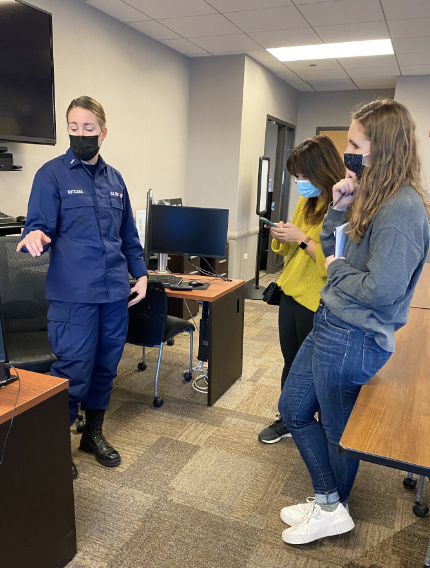
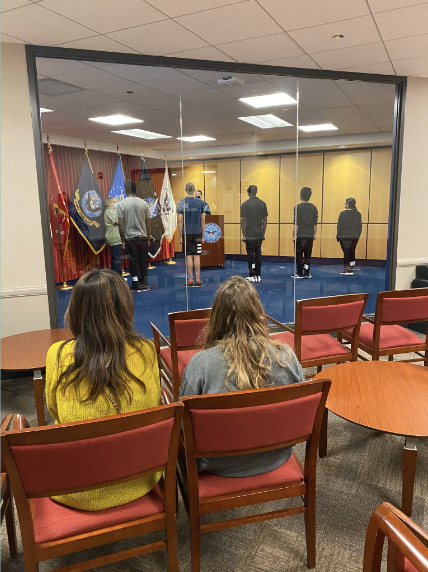
There are over 65 Military Entrance Processing Station (MEPS) in the United States mainland and territories. Each MEPS varies in size, number of applicants processed, and processes. It was important for the design team to visit these centers in person to observe the nuances of the everyday workings, establish rapport with the personnel, and get a sense of the pace of the day.
Insights gathered from these visits often forms the basis of the next epic of improvements in the backlog.
Each visit is structured. The design team collaborates and devises an agenda, alongside engineers and business stakeholders. Insights are analyzed and synthesized into actionable next steps after each visit.
Persona, Journey Mapping, and User Flows
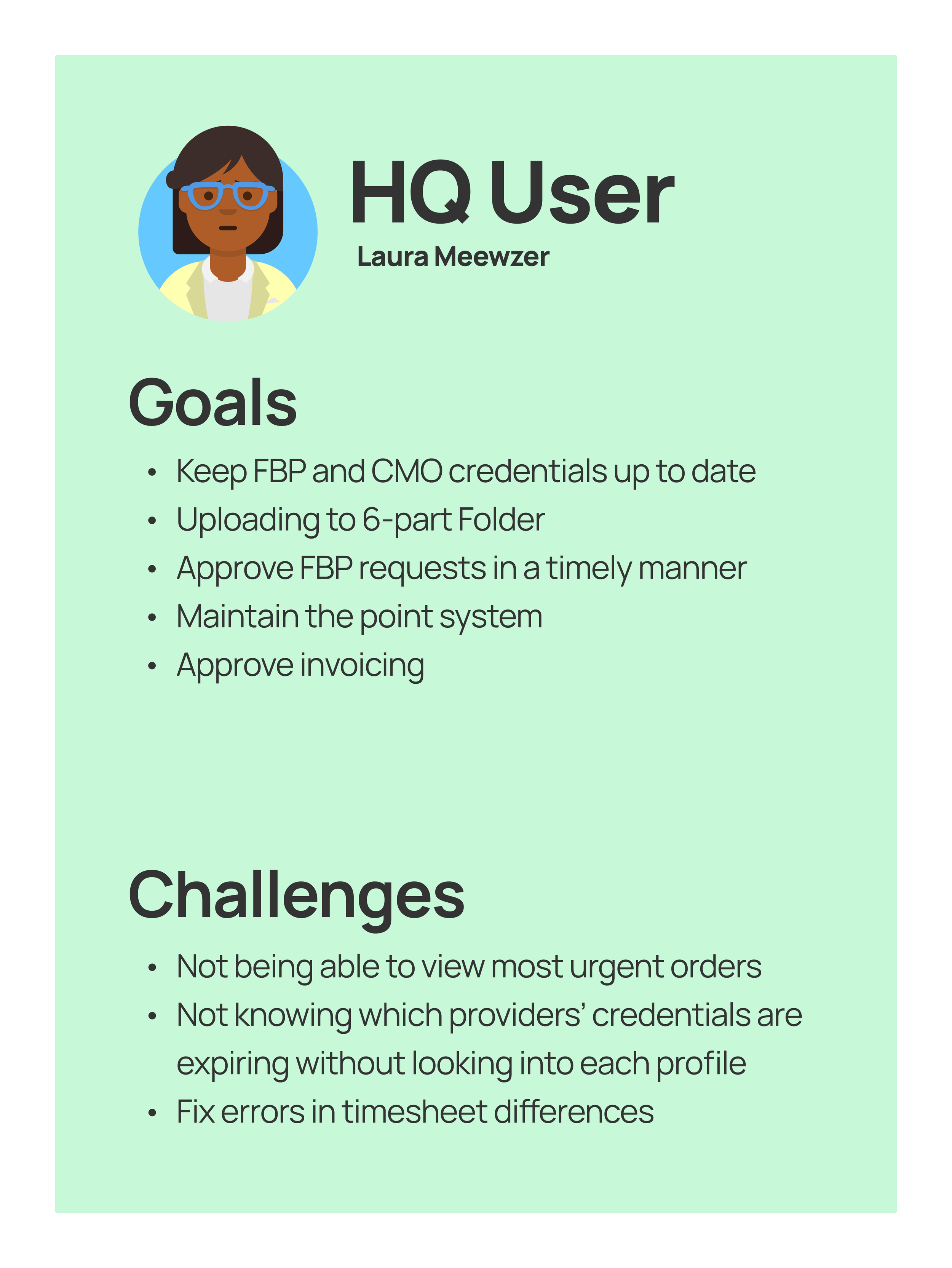
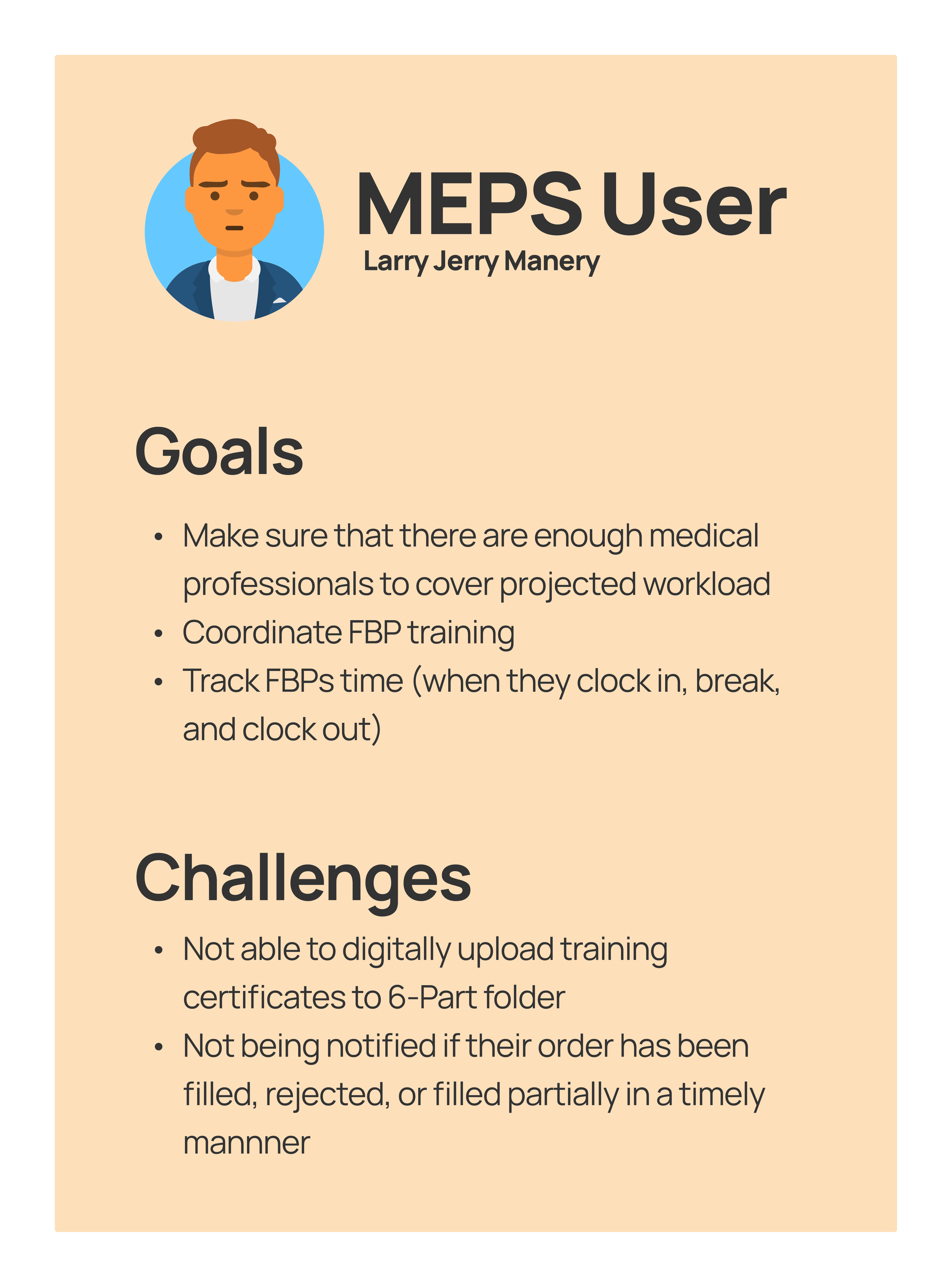
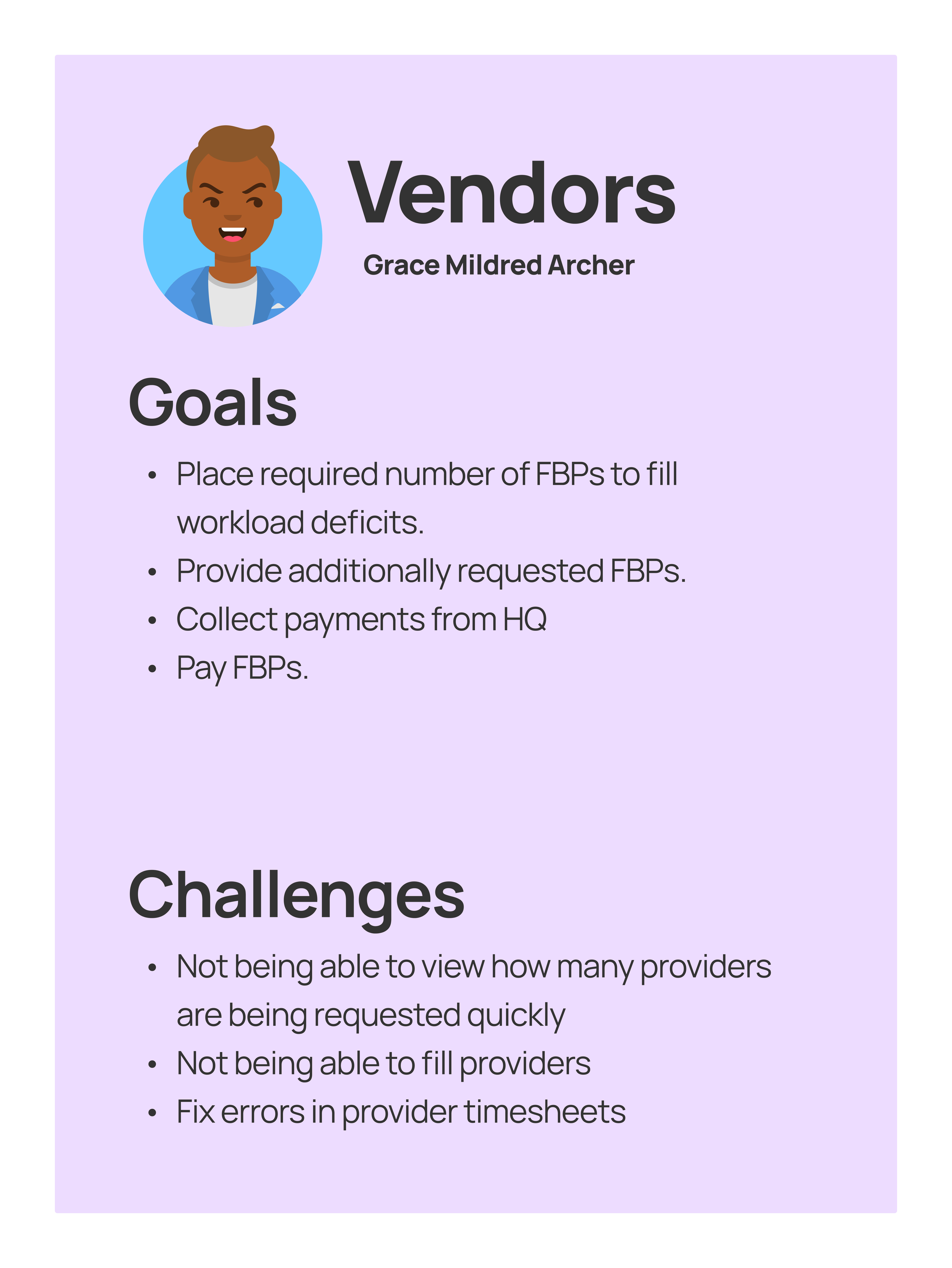
Three personas were developed as the result of extensive user interviews and ux requirements gathering. Each bearing unique goals and challenges.
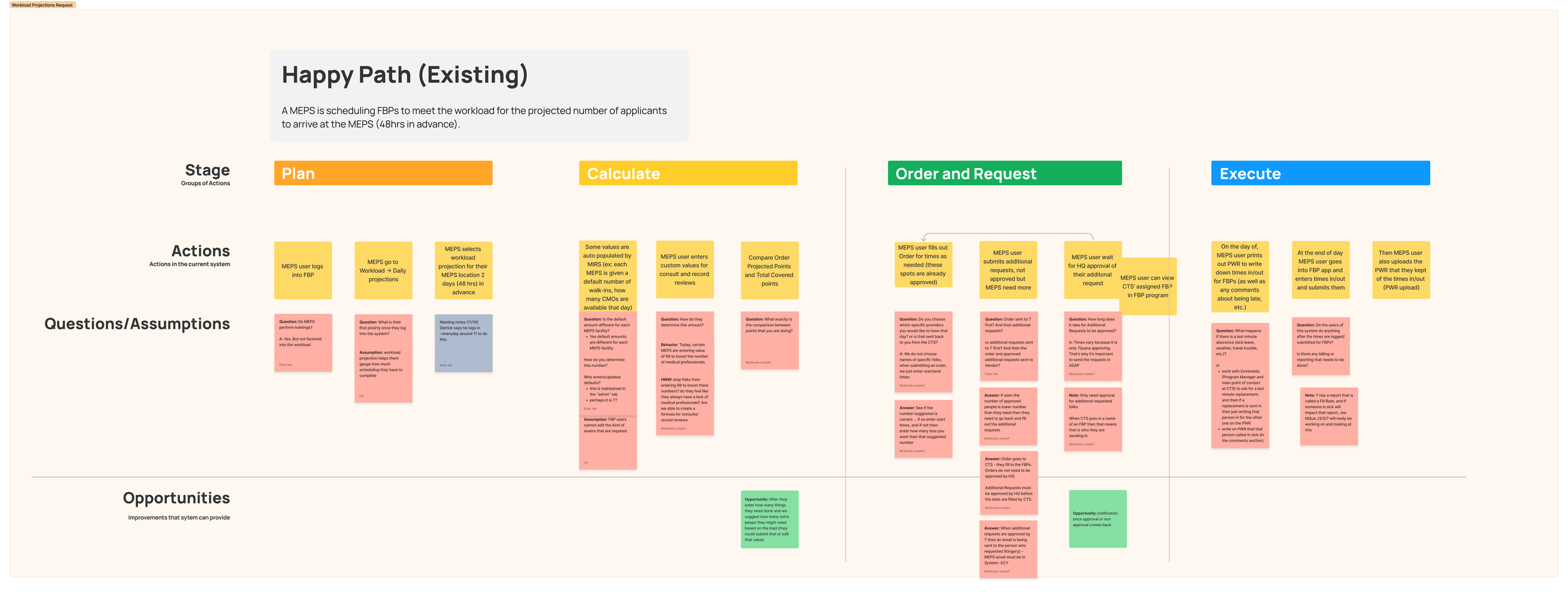
Journey Maps were created for each persona and key tasks to be accomplished. The insights distilled from user interviews lead the team to create 3 different portals, one for each of the users, since the user needs are vastly different from each other.
Information Architecture
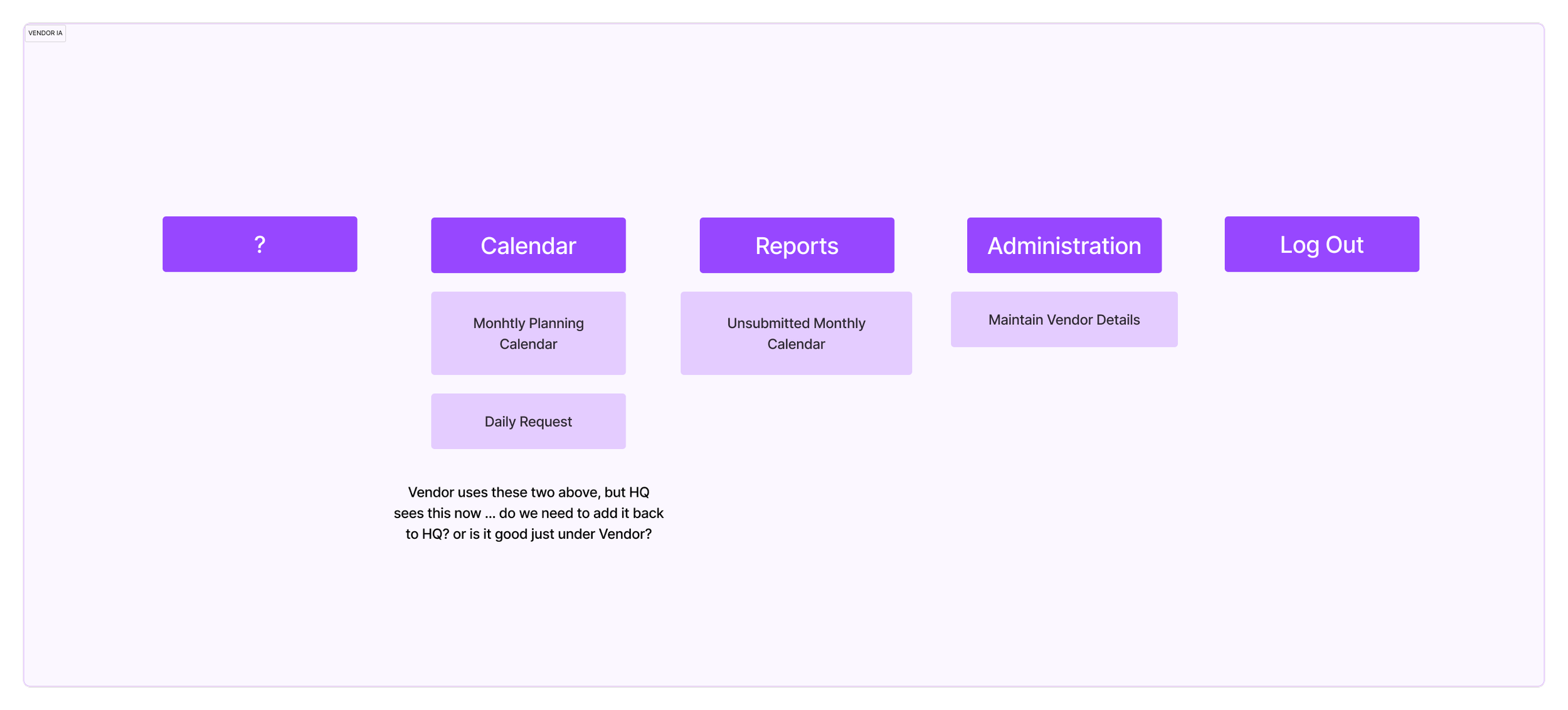
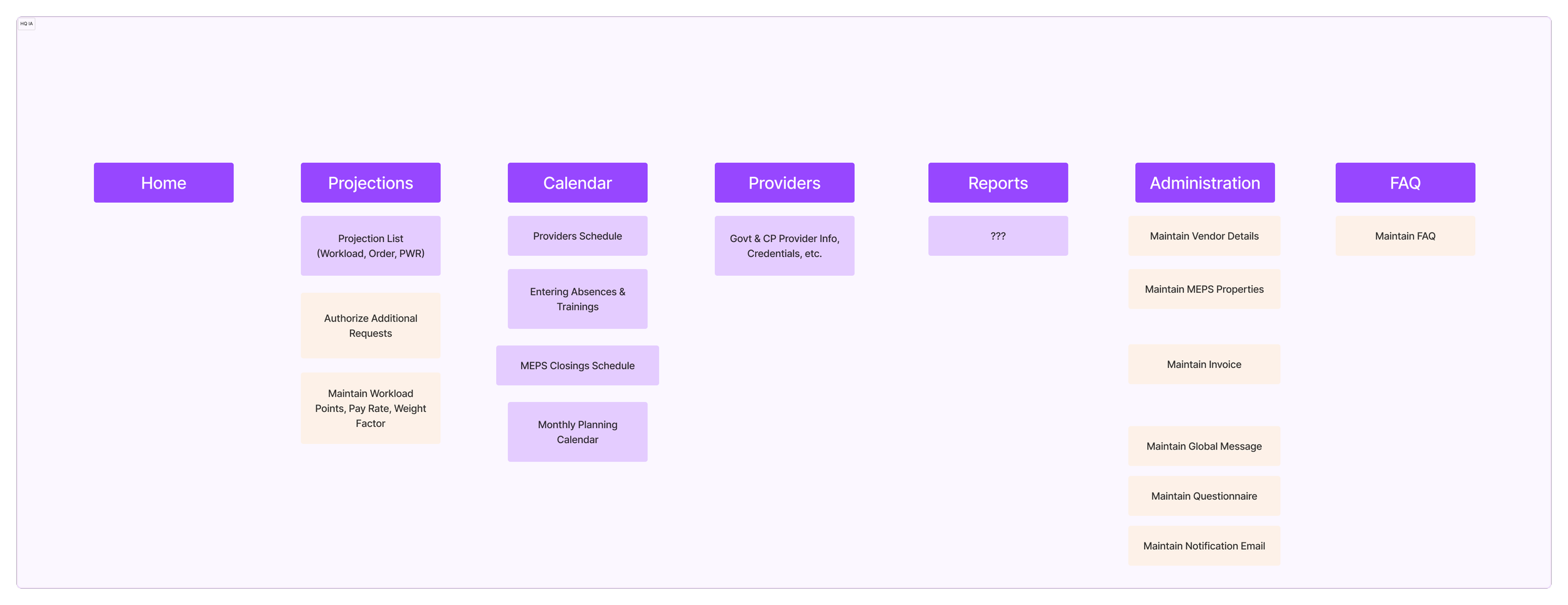
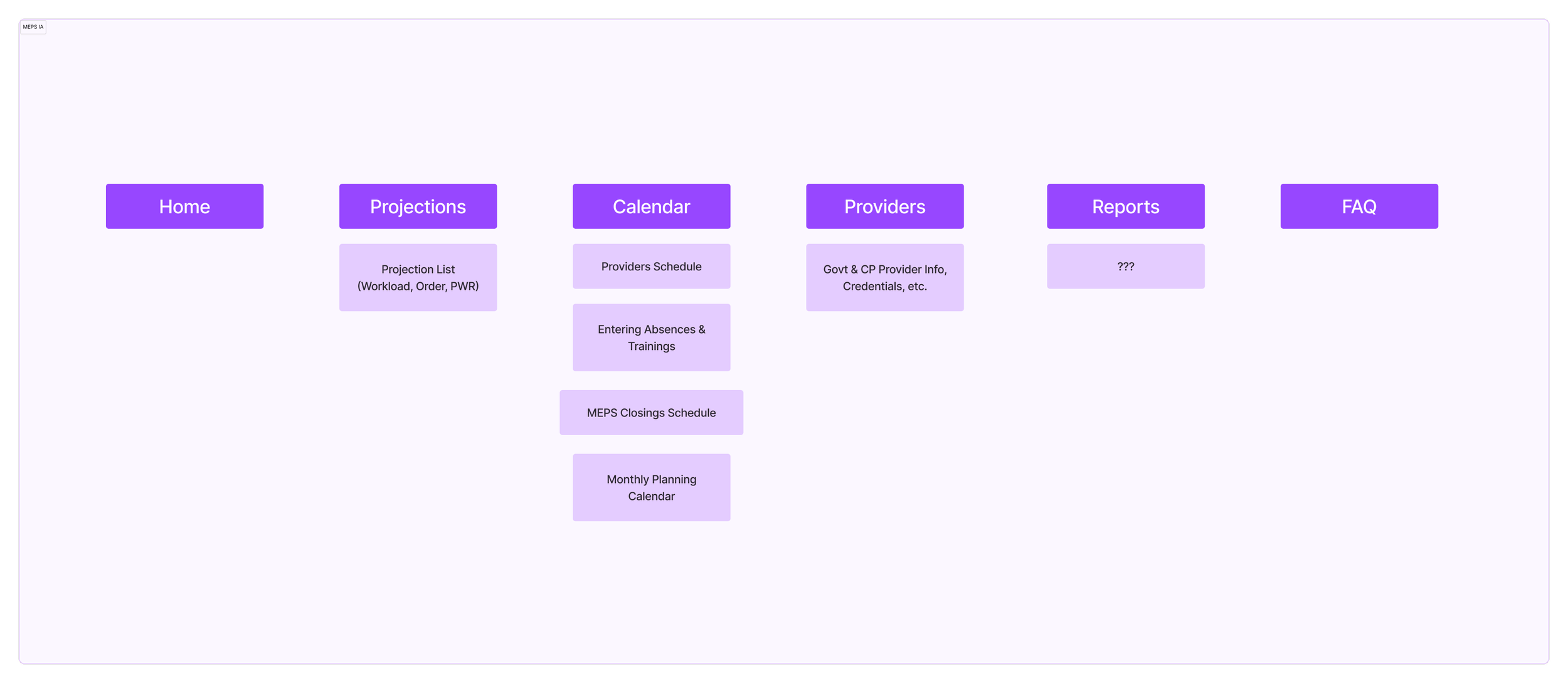
Information Architecture for each following user: MEPS, HQ, and vendor
Ideation
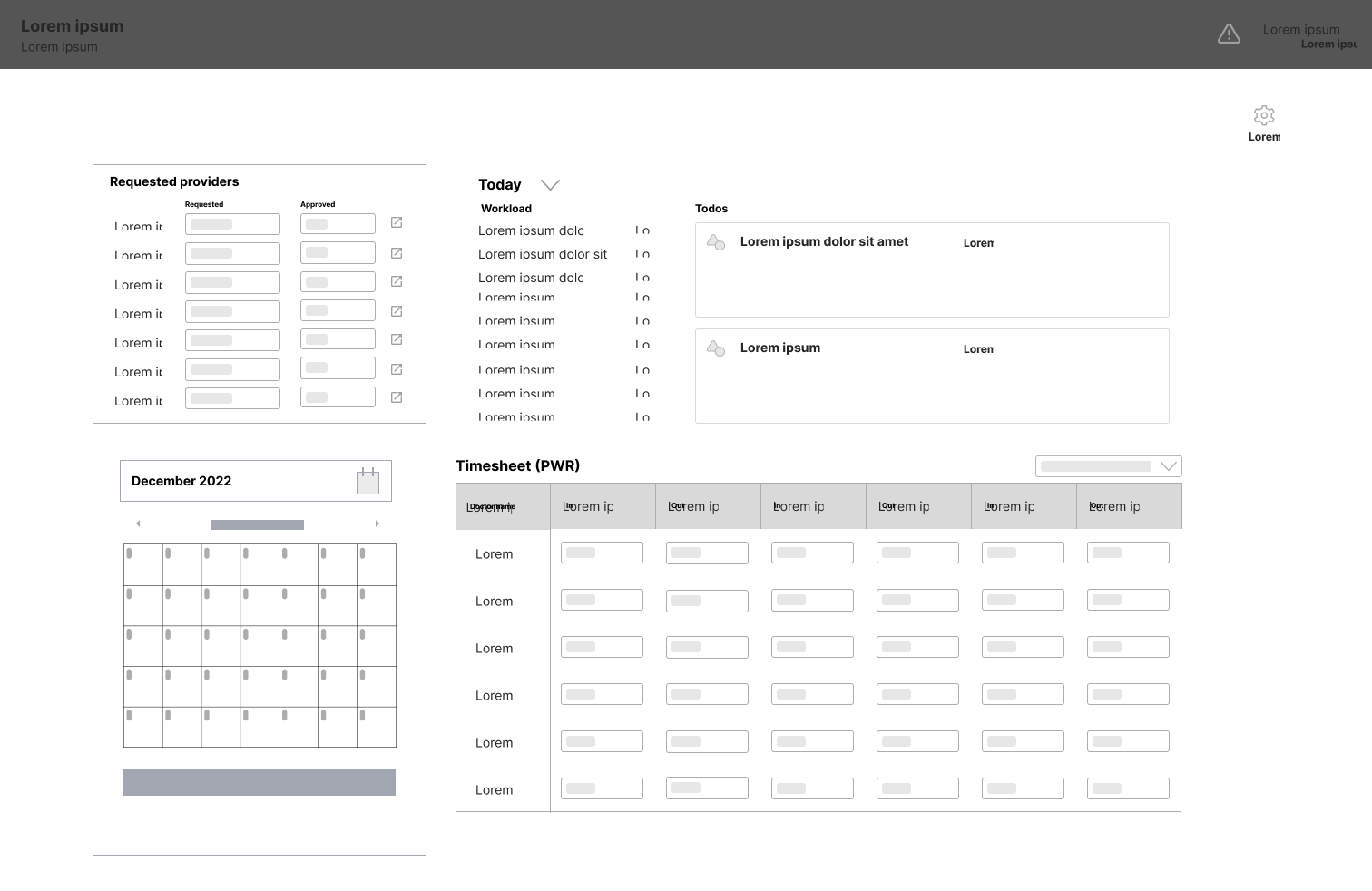
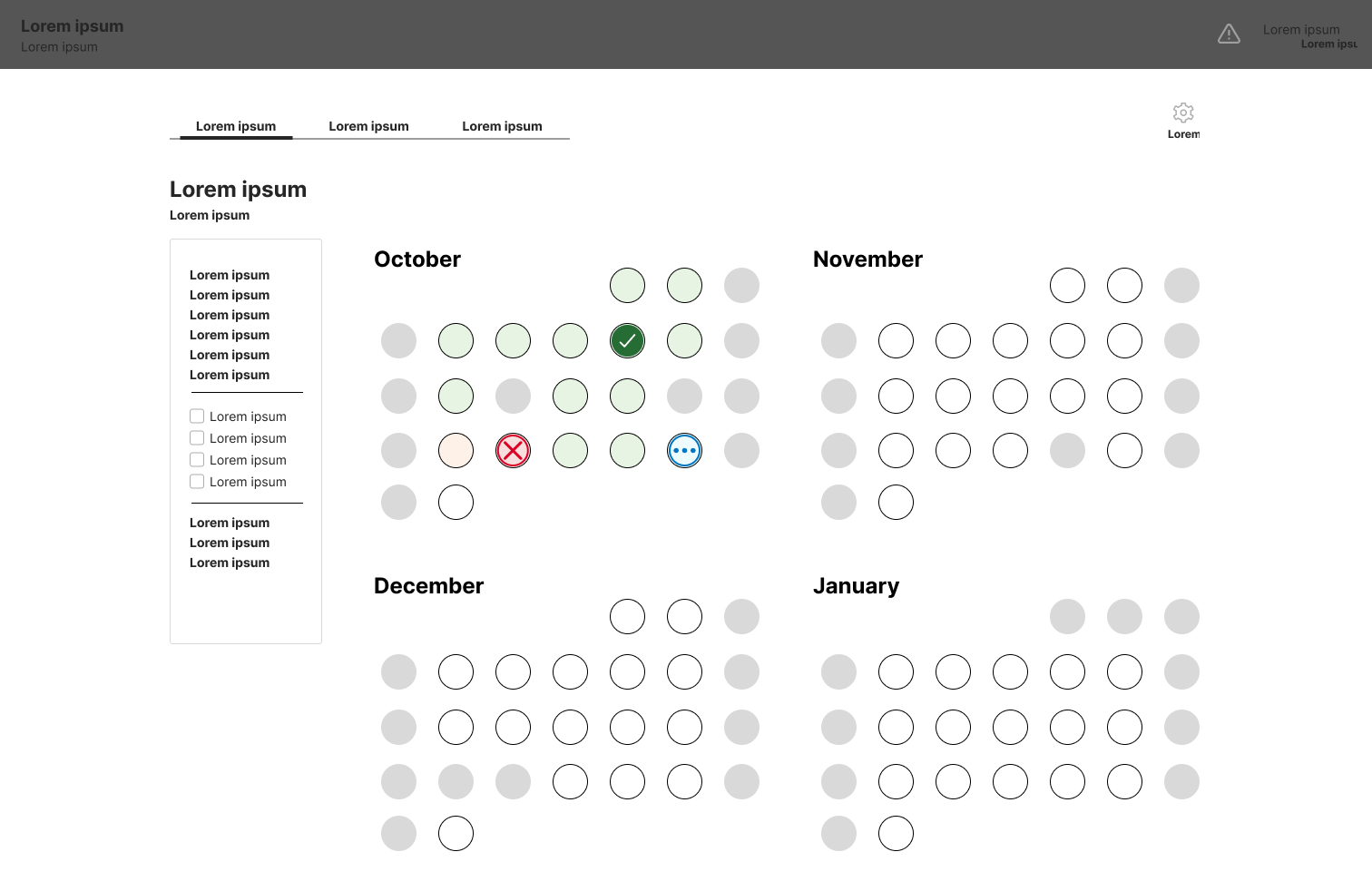
Diverging concepts based on the unique requirements of each set of users as a result of journey map and requirement gathering sessions.
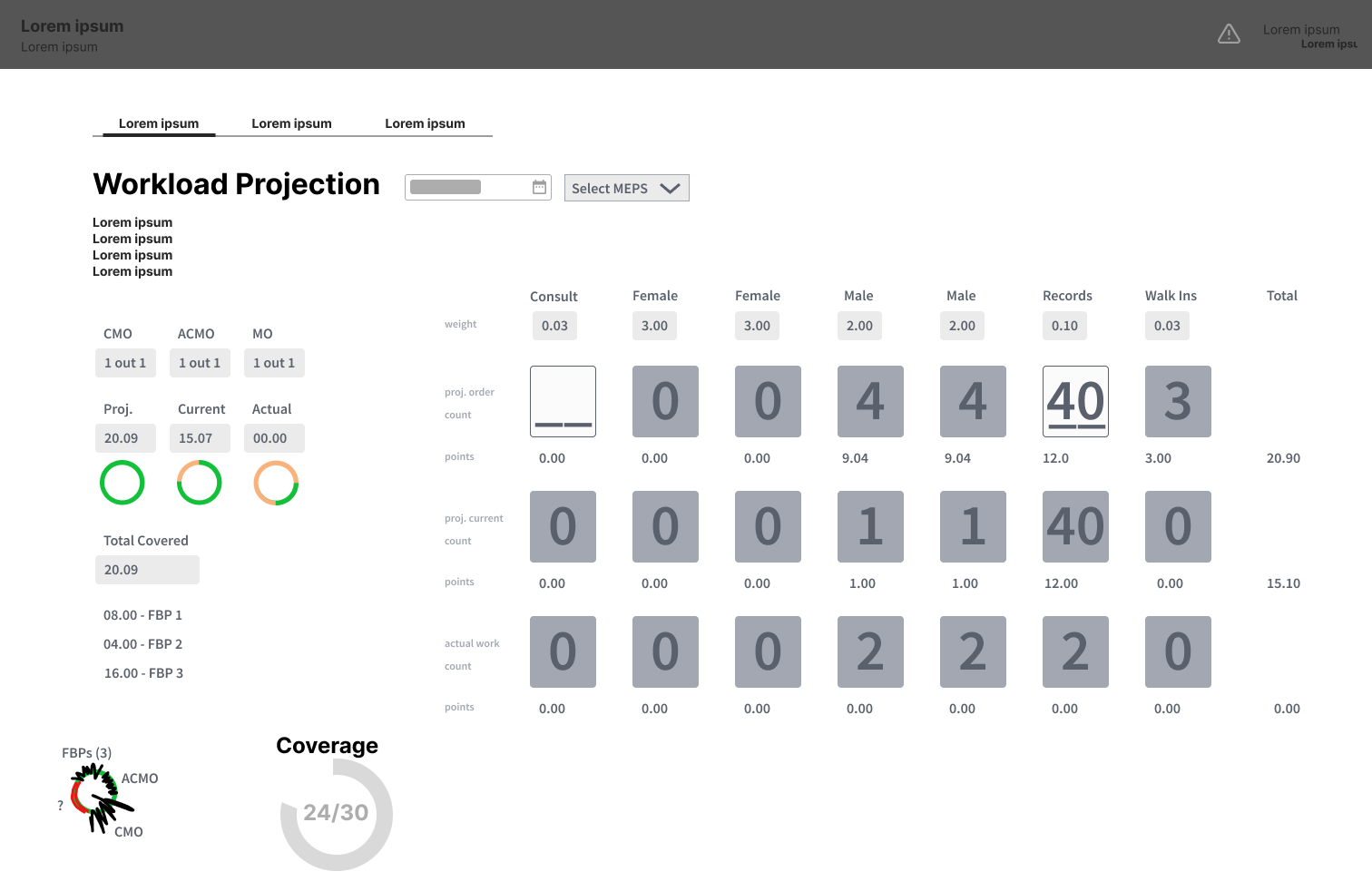
Deliverables
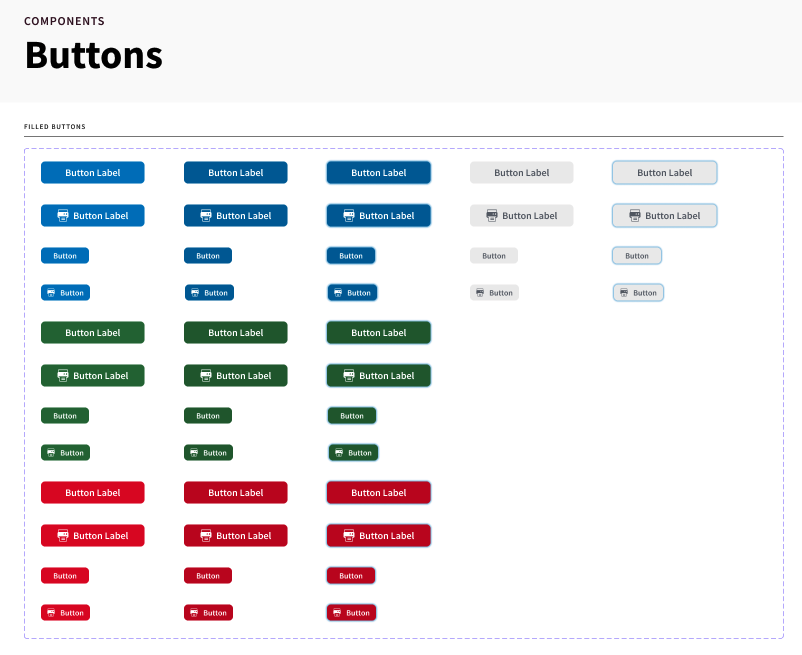
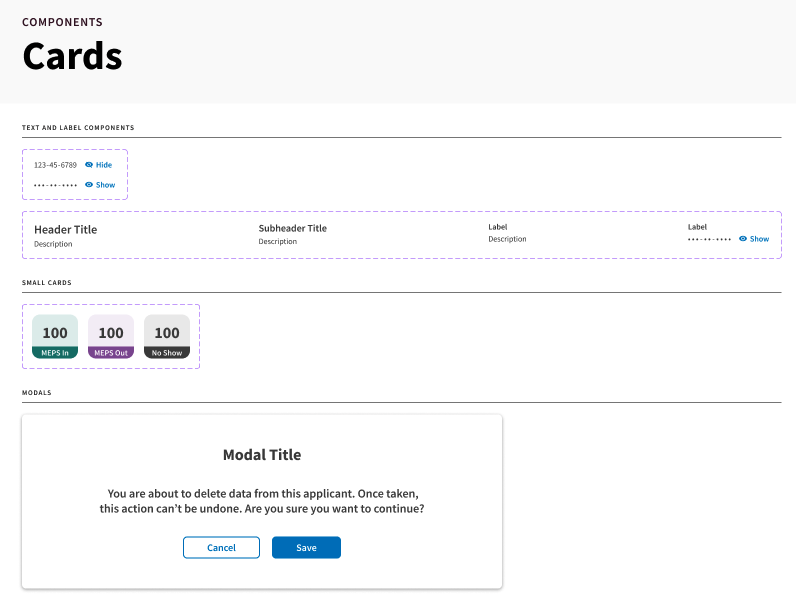
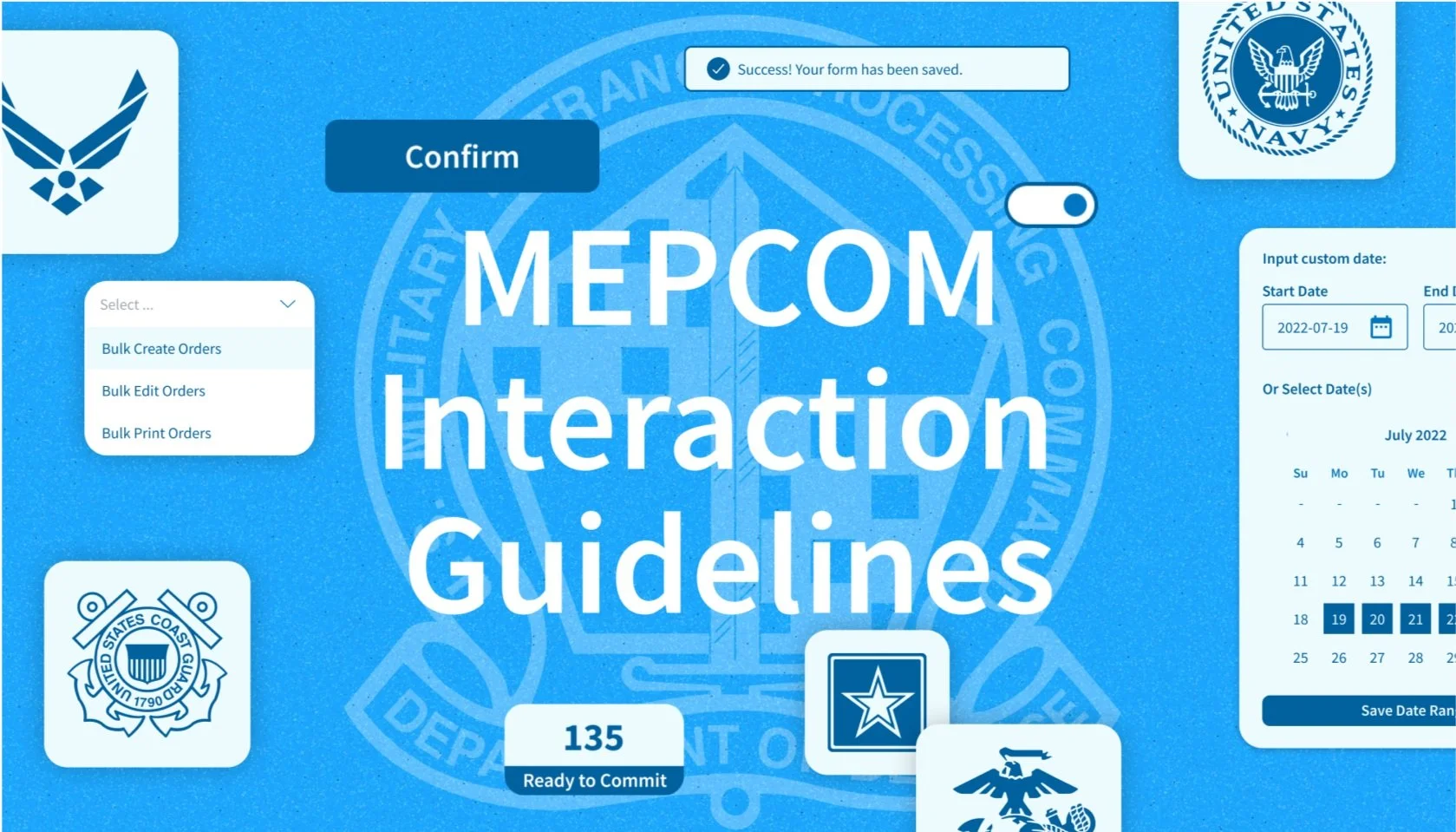
MEPCOM Interface Guidelines (MIG)
To unify the growing number of products under the MEPCOM umbrella, lead the team to create the MIG (MEPCOM Interface Guidelines)
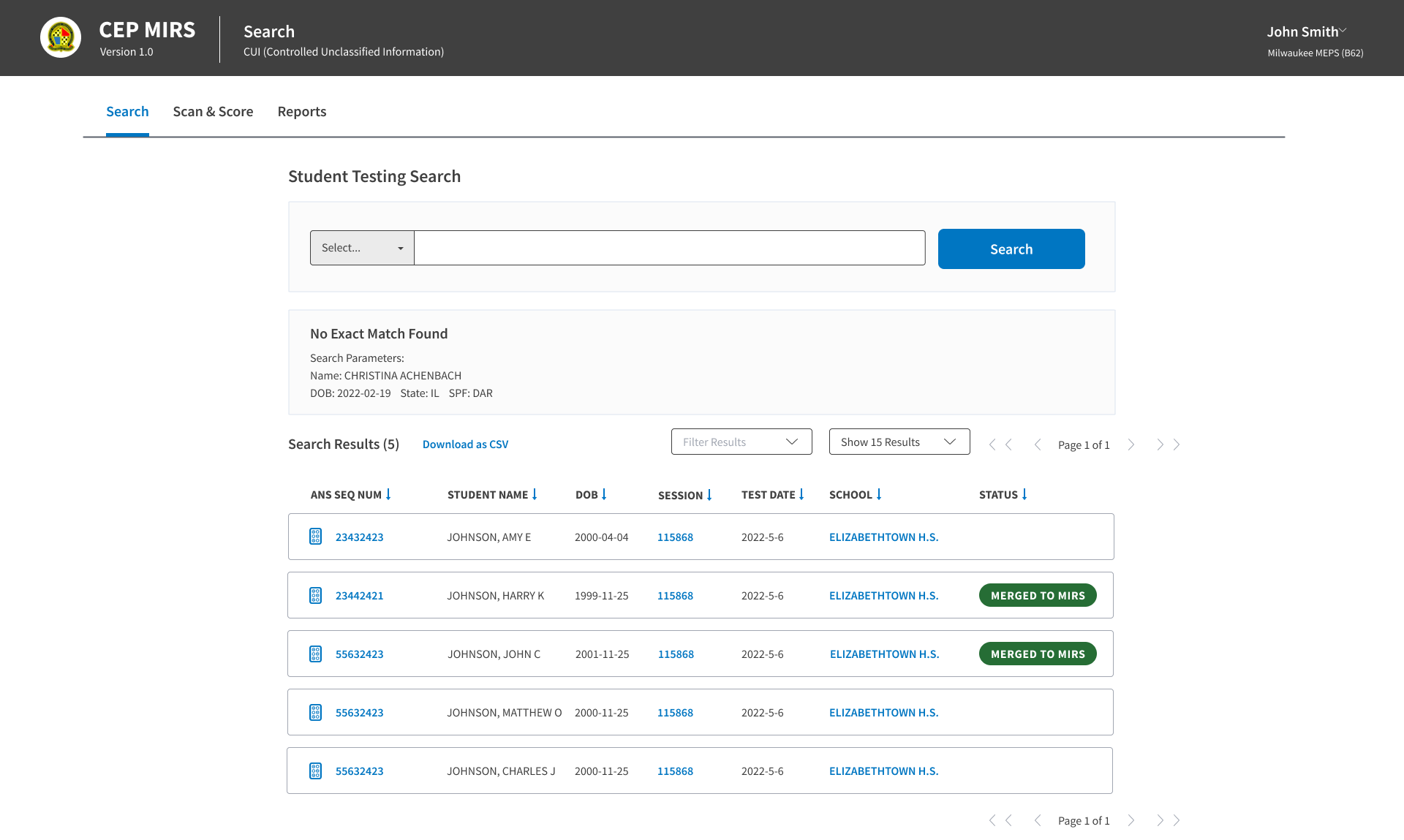
Student Test (Shipped in Q4 2023). Redesigned with focus on creating efficient student aptitude test uploads, bulk information correction, predictable smart search for specific tests.
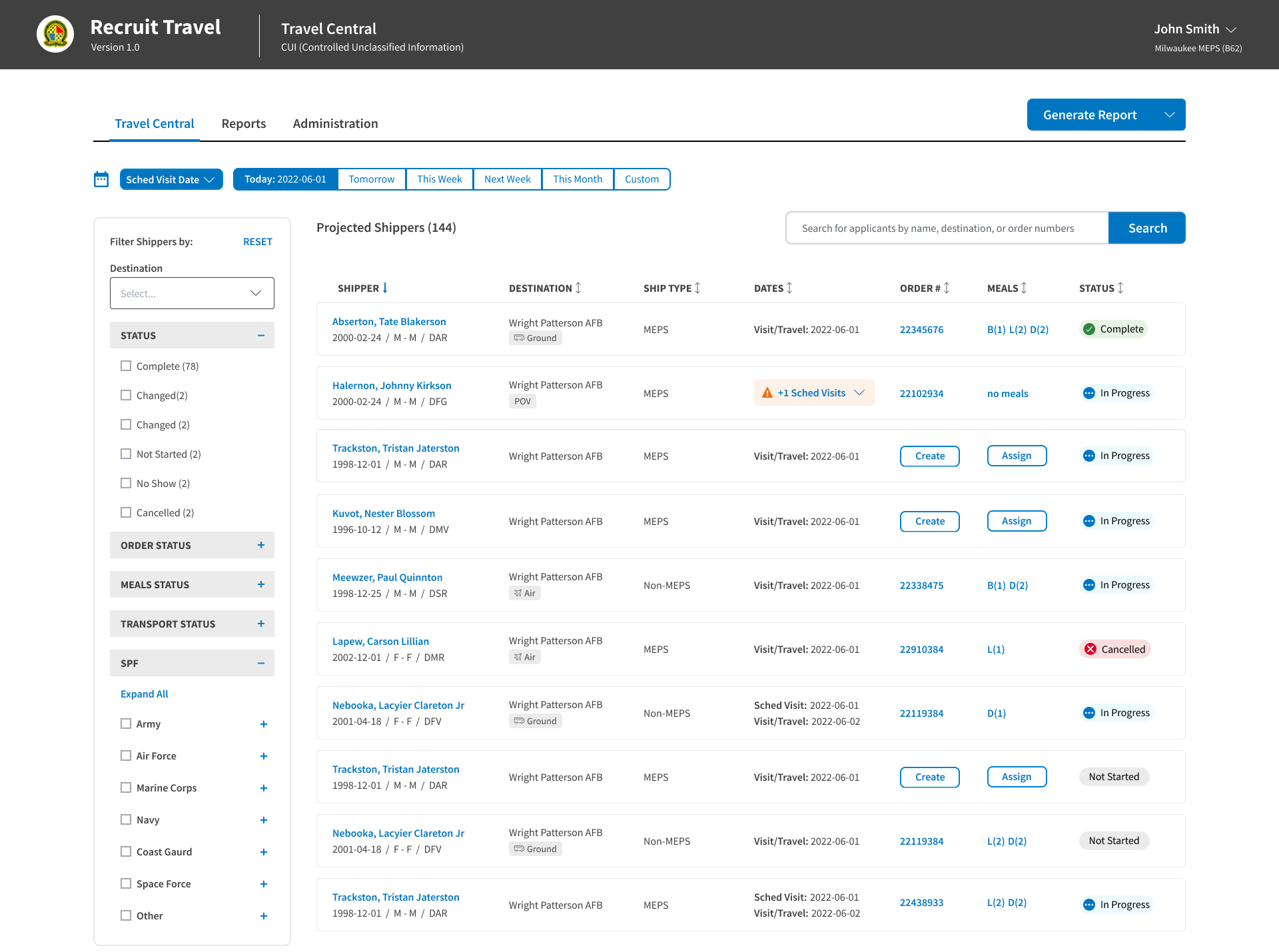
Recruit Travel (Shipped Q3 2024). Redesign focused on 1. Allowing users to make bulk shipper orders and editing those orders; 2. Real time shipper update from MIRS 1.1 (master app); 3. Creating meal debit cards
Fee Basis Provider (Shipped Q1 2025). Created customized portals for the 3 main user group: MEPS users, HQ users, and Vendors.